Challenge and adaptation
What makes a game challenging, how to measure it, and how games can adapt to keep that challenge right for each player.
I study what players experience when they play, and how to measure it. My work is organised into six core themes, four related ones, and some other work from collaborations.
The common thread is research methods for evaluating experiences of playing games:
What makes a game challenging, how to measure it, and how games can adapt to keep that challenge right for each player.
Experiences beyond fun, from emotionally difficult content and moral choices to games that stay with you.
How games help people through difficult times, and serious games built for health and education.
How what players are told, or what a feature looks like, changes what they experience.
Questionnaires and mixed methods for measuring challenge, uncertainty, agency and players' needs.
How indie developers playtest their games, and what research can do to help.
Some questions need a game built for the purpose. Each one links to the study it was made for.
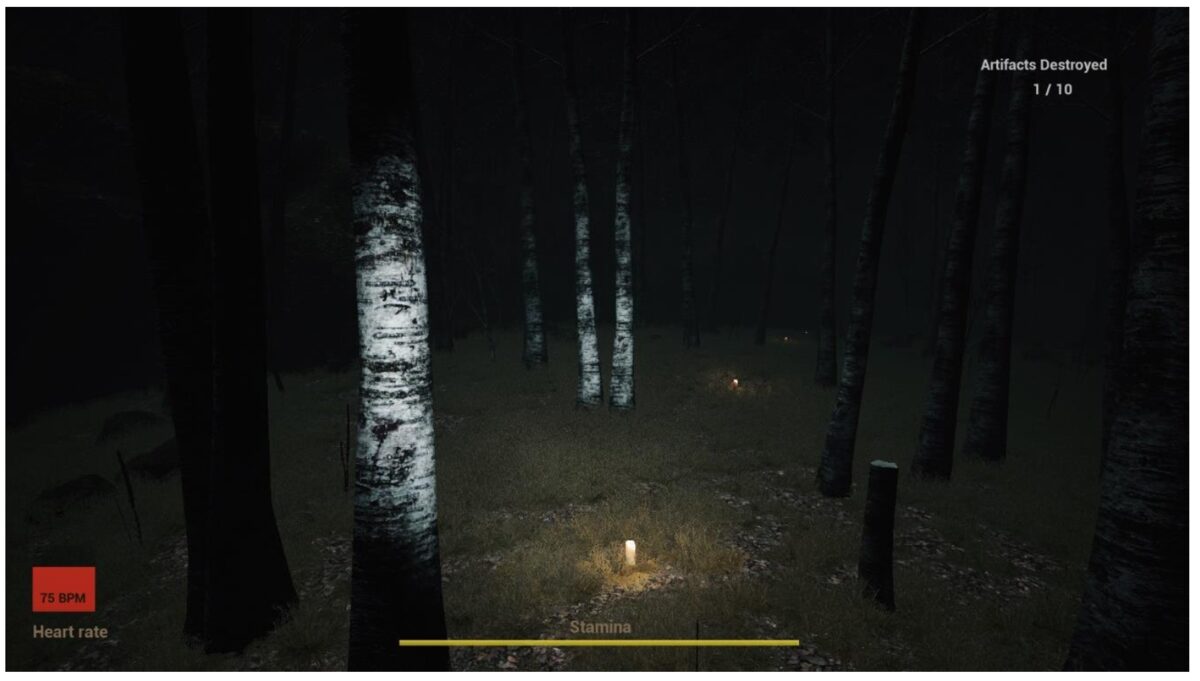 “Caroline”A horror game whose difficulty responds to the player's heart rate.© Paris Moschovitis
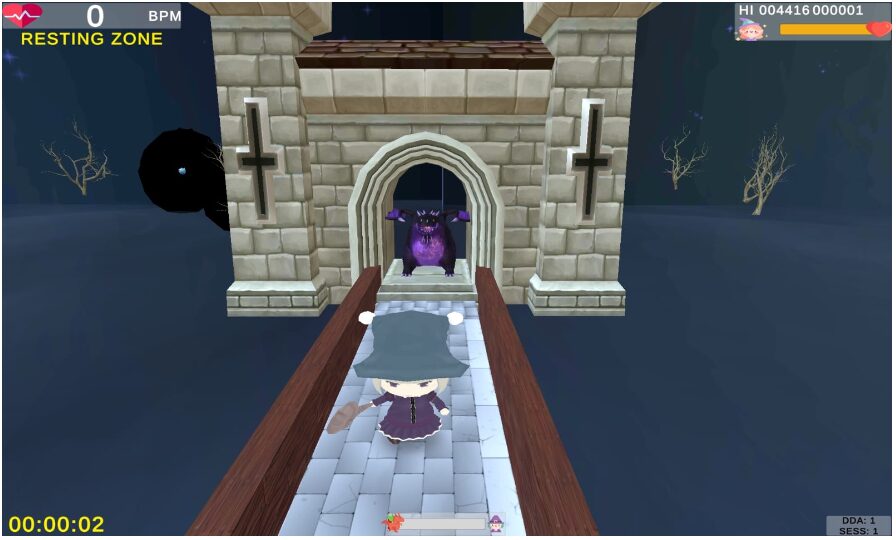 “ExerWitch”A running exergame comparing proactive and reactive difficulty adjustment.© Sittikrai Chorrojprasert
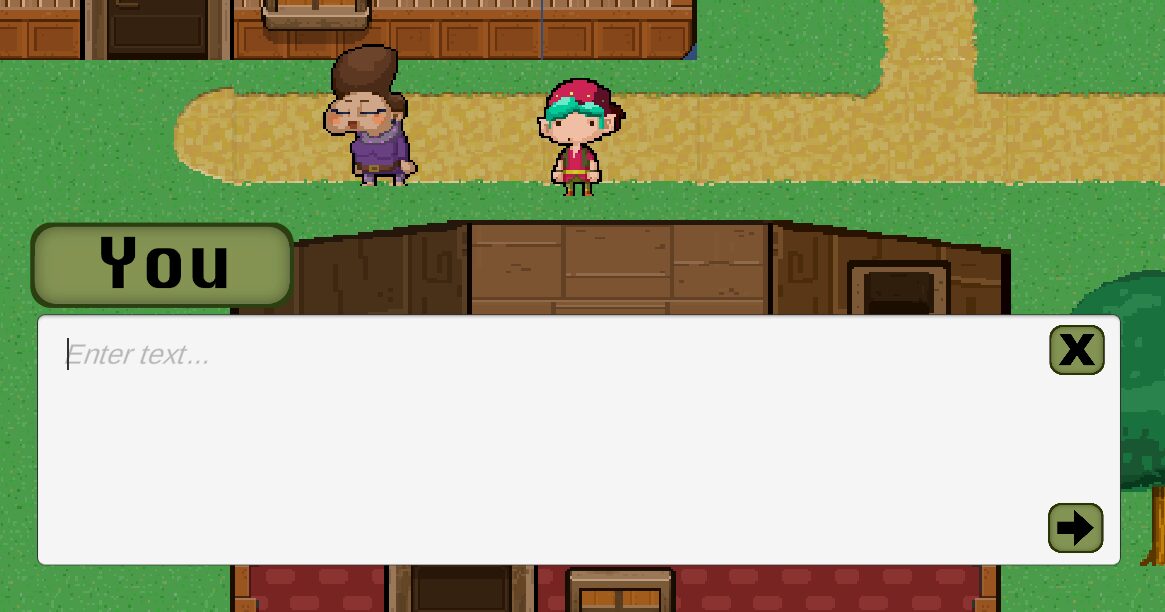 AI dialogue mysteryA detective game comparing AI-powered and human-written dialogue.© Sarita Sridharan
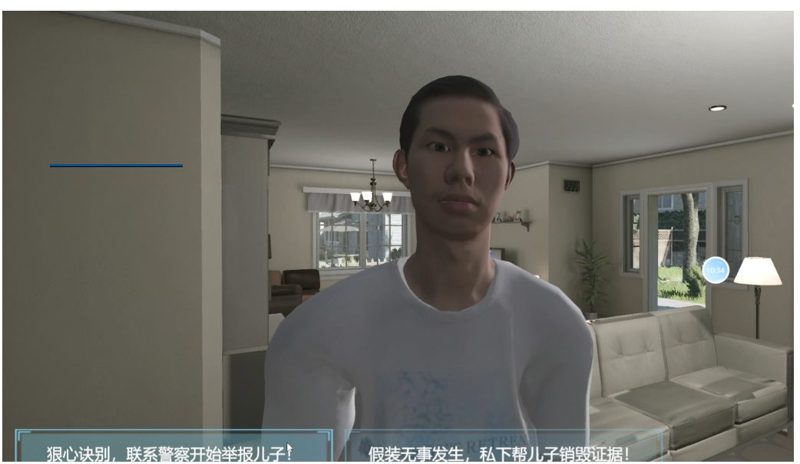 “Old Li”An emotionally challenging game scenario designed for older adults.© Min Zhou
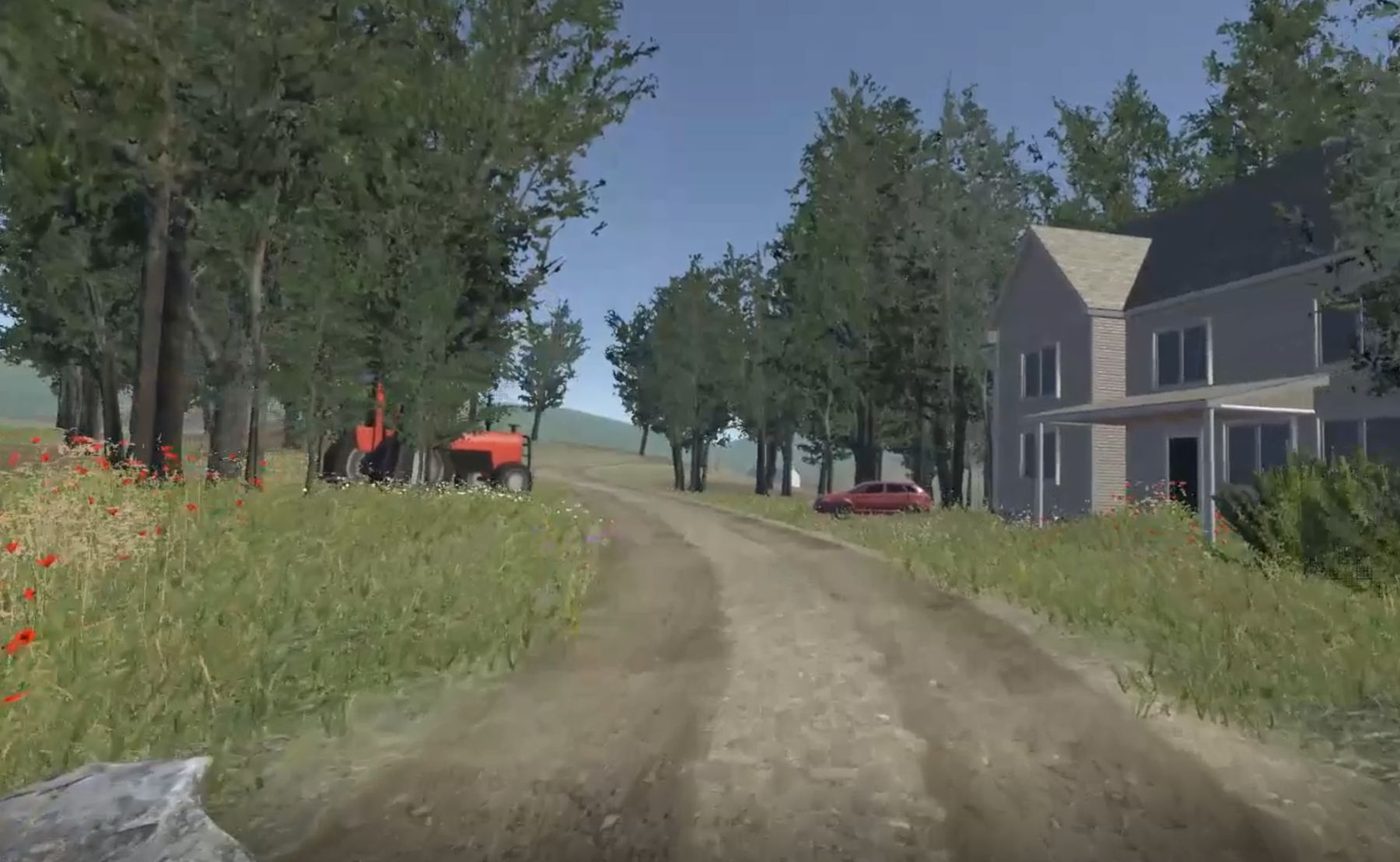 Narrative VR cycling exergameA story-driven cycling game for active older adults.© Min Zhou
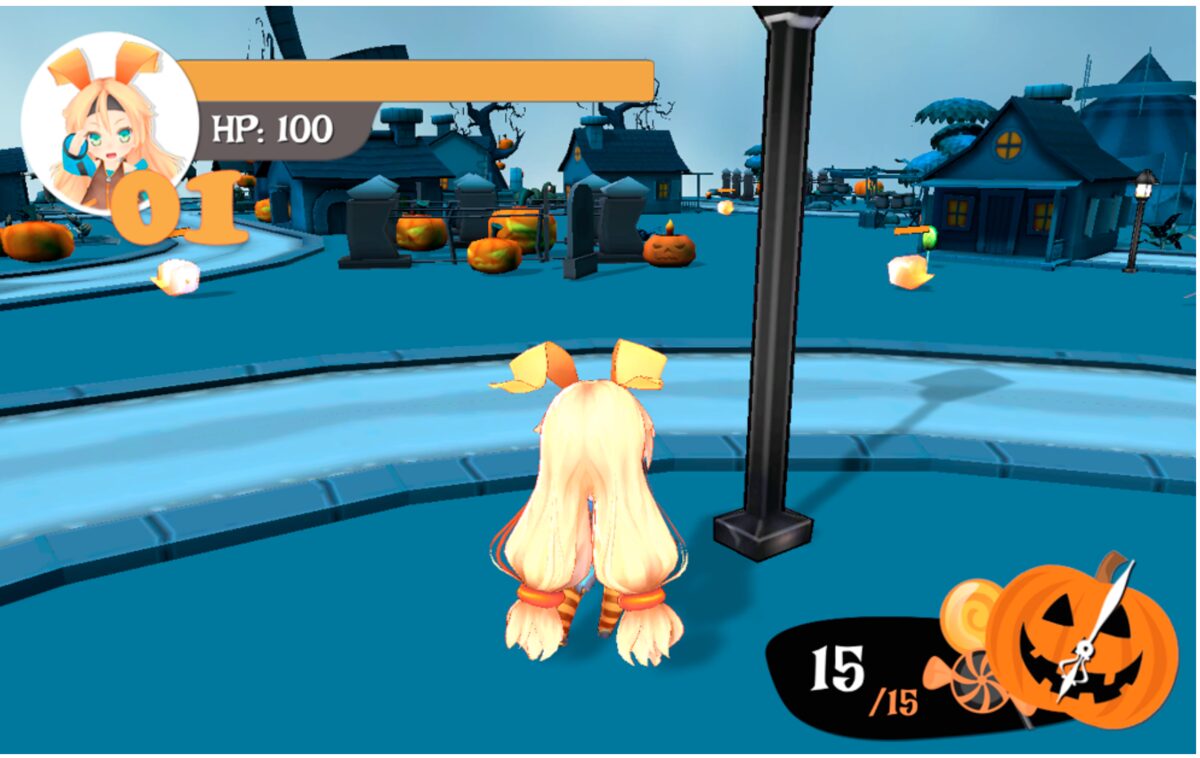 “Trick or Treat”A game used to test players' expectations of difficulty adaptation.© Alena Denisova
Validated questionnaires I developed with colleagues. Each page has the full items, instructions and scoring, with copy and download options (CSV, text and Qualtrics import).
Tabletop games, visualisation literacy, telepresence and VR. See the other work